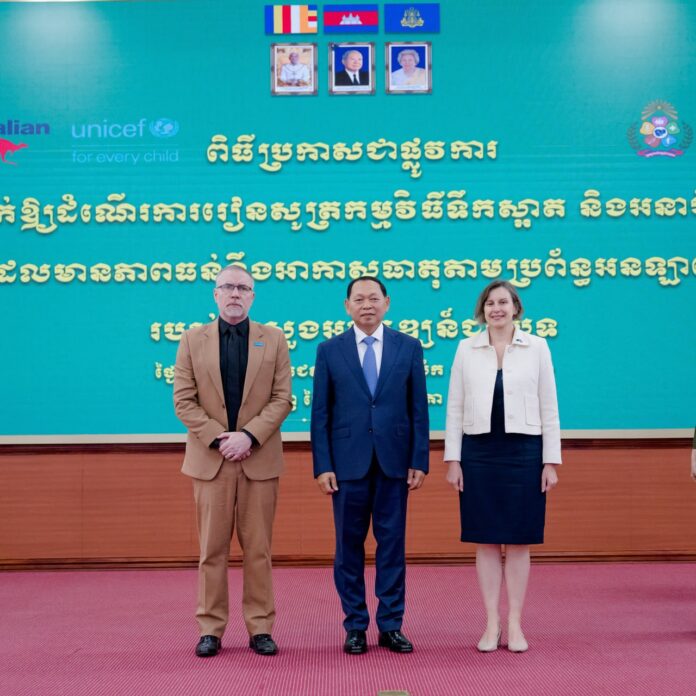
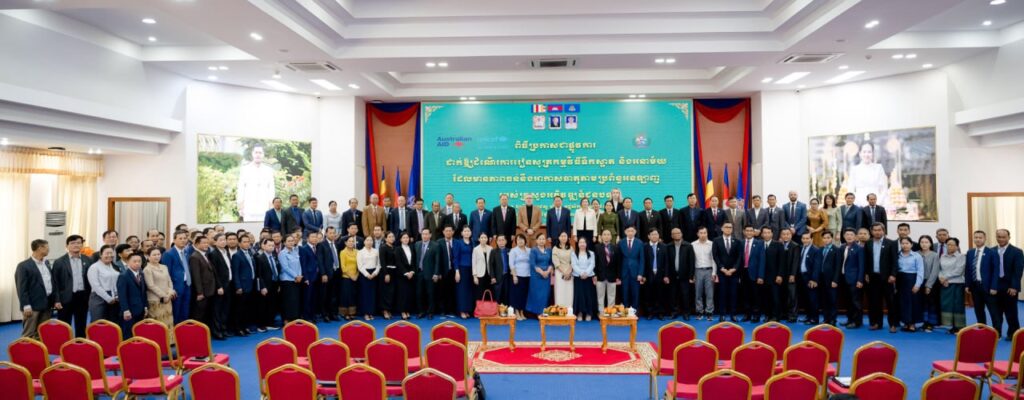
Phnom Penh: The Ministry of Rural Development on the morning of May 18, 2026, organized an official launch ceremony for the Ministry of Rural Development’s online climate-resilient water and sanitation learning program, presided over by Mr. Chhay Rithsen, Minister of Rural Development, Dr. Will Parks, Country Director of UNICEF Cambodia, and Ms. Bridget Collier, Deputy Ambassador of Australia to Cambodia.
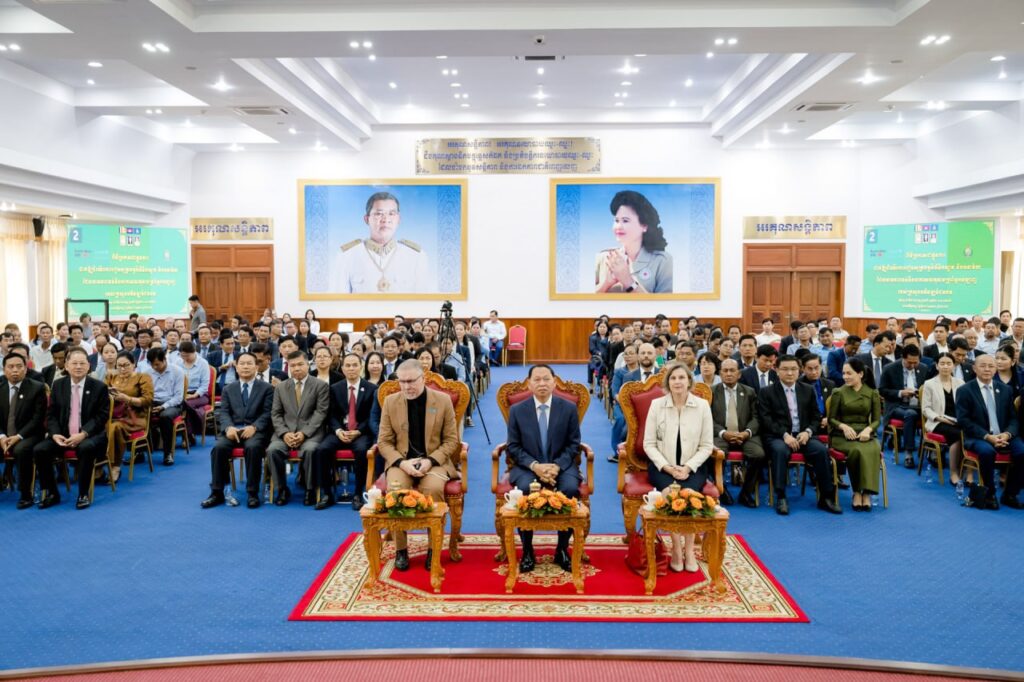
At the beginning, Mr. Chray Pom, Technical Director, gave a brief report on the preparation of the online learning program, informing that the training program consists of a total of 5 video lessons, including: 1: Overview of the water and sanitation sector and climate change in Cambodia, 2: Supporting the transition to climate-resilient water and sanitation services in Cambodia, 3: Methods for identifying and evaluating climate-resilient water and sanitation solutions, 4: Climate finance and preparing climate-resilient reports, and 5: Monitoring, inspection, and evaluation.
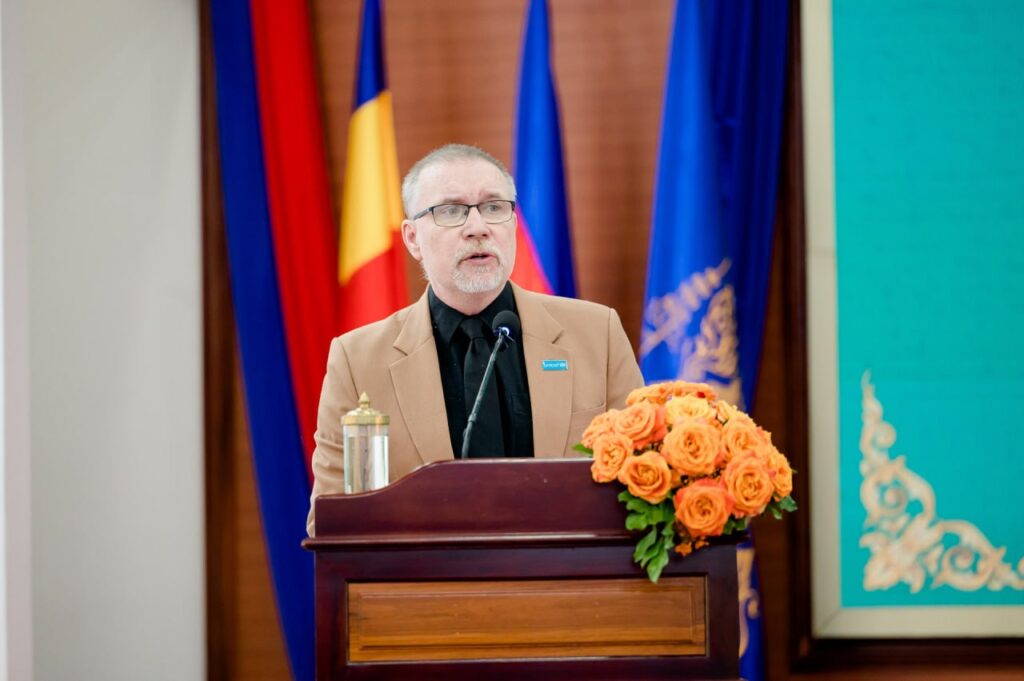
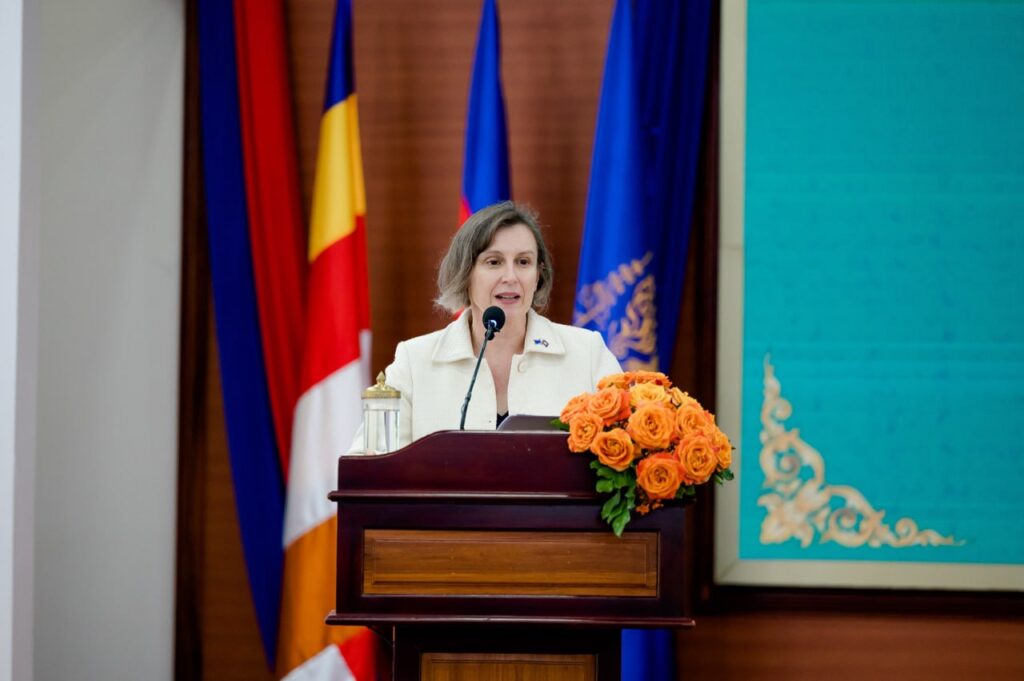
At the same time, Dr. Will Parks, UNICEF Country Director in Cambodia, and Ms. Bridget Collier, Deputy Ambassador of Australia to Cambodia, were invited to express their interest Emphasizing the importance of organizing this online course, it will contribute to strengthening the capacity of civil servants at both national and sub-national levels, both in terms of knowledge and skills related to assessing and planning for the water and sanitation sector in climate-resilient rural areas. In addition, the UNICEF Director and the Australian Deputy Ambassador also expressed their commitment to continue to collaborate with the Royal Government and the Ministry of Rural Development in working to strengthen resilience and support communities in adapting to the impacts of climate change.
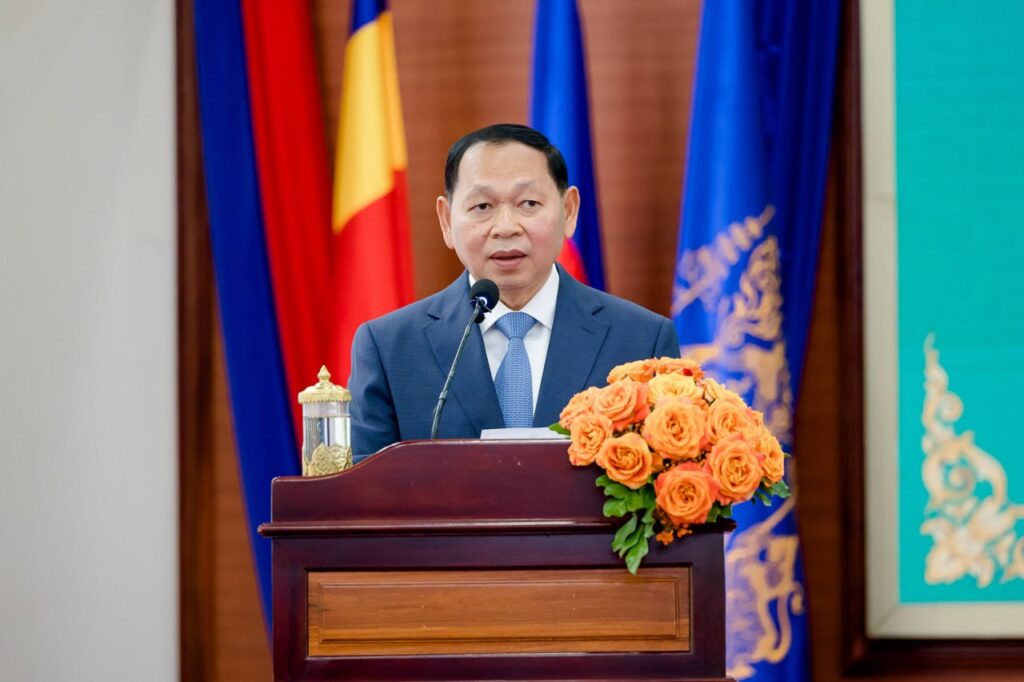
Invited to deliver a speech at the announcement ceremony, Mr. Chhay Riththi Sen highlighted that rural water supply and sanitation is a priority area that the Royal Government has always paid attention to. In this regard, the Ministry of Rural Development, the Royal Government’s executive body, has been actively contributing to the implementation of the Royal Government’s national policy and strategic plan on improving rural water supply and sanitation through the preparation and successful implementation of the National Action Plan on Clean Water Supply and Rural Sanitation in the past two phases. In fact, as of 2025, the coverage rate of basic water supply services has reached 89%, while the coverage rate of safely managed water supply services has reached 25%, while the coverage rate of basic rural sanitation has reached 95%, while the coverage rate of safely managed sanitation has reached 51%. Meanwhile, all 25 capitals and provinces across the country have achieved the end of ODF, while Phnom Penh and Kandal Province have achieved the end of ODF+.
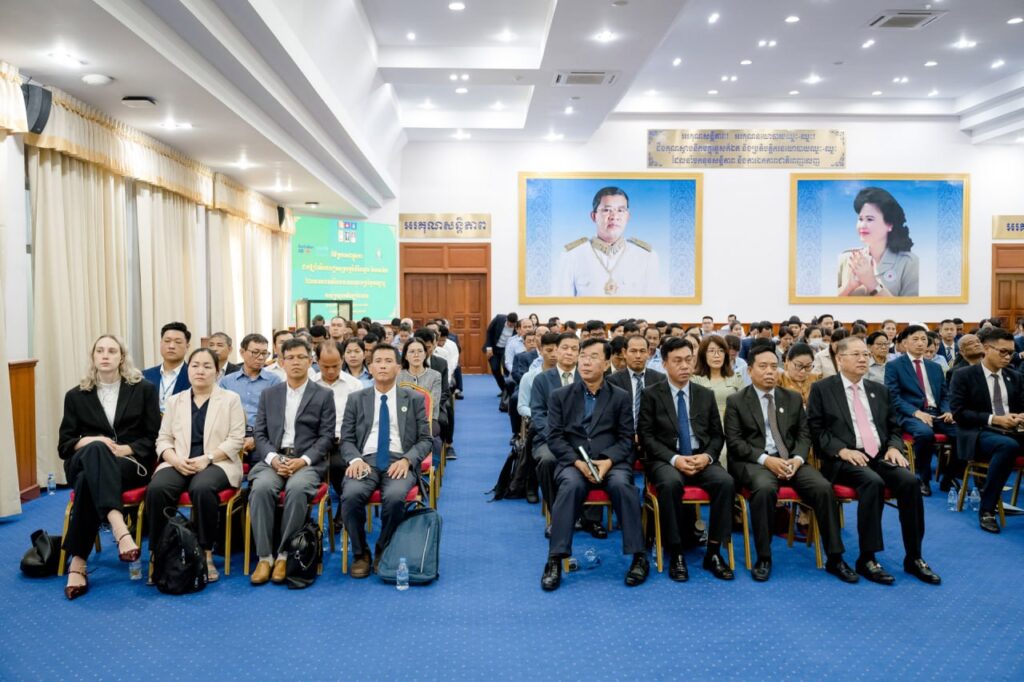
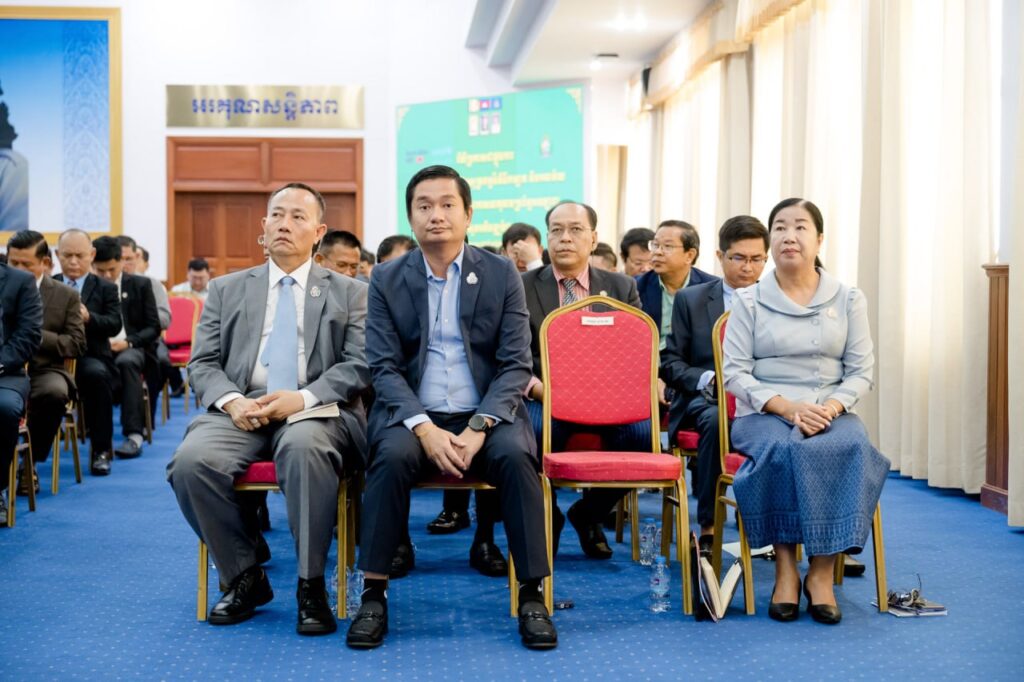
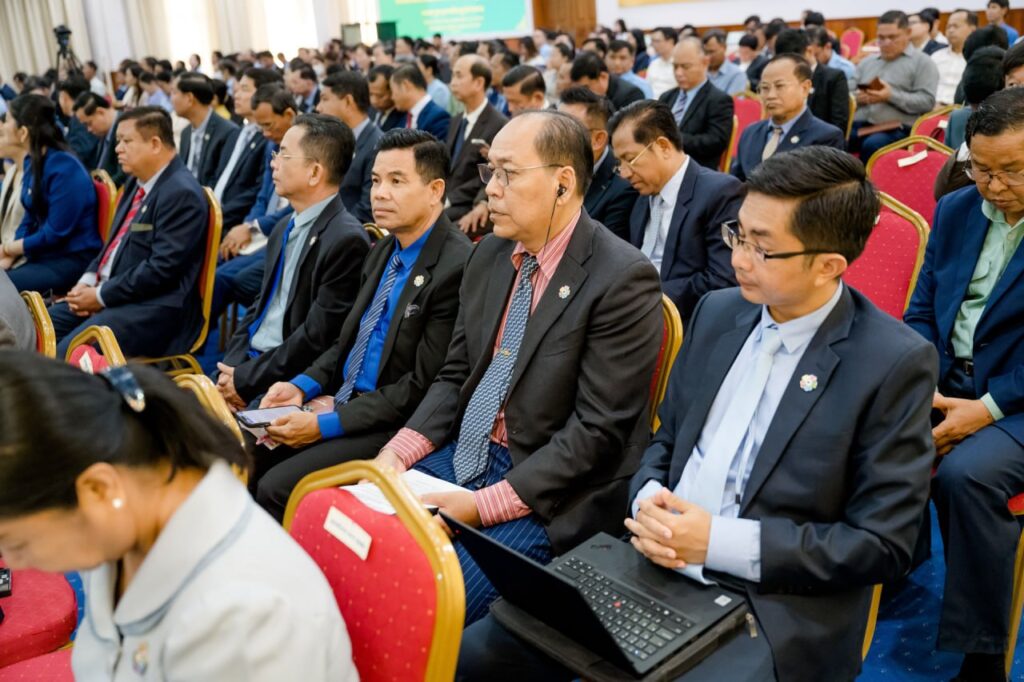
In addition, to contribute to solving some of the challenges facing us and to achieve the goals of the government, as well as to respond to climate change, further awareness is required. About the work of providing clean water and sanitation in rural areas and the impacts of climate change, using both technical training methods for officials, experts, and stakeholders directly, and by seeking additional knowledge through the media as well as information technology systems. In this sense, this online learning course is very important in enhancing the capacity of civil servants, especially civil servants in charge of water and sanitation, as well as the general public.
Finally, the Minister provided some key recommendations to ensure that the online learning program on climate-resilient water and sanitation runs smoothly and efficiently.
This site is translated by Google Translate™