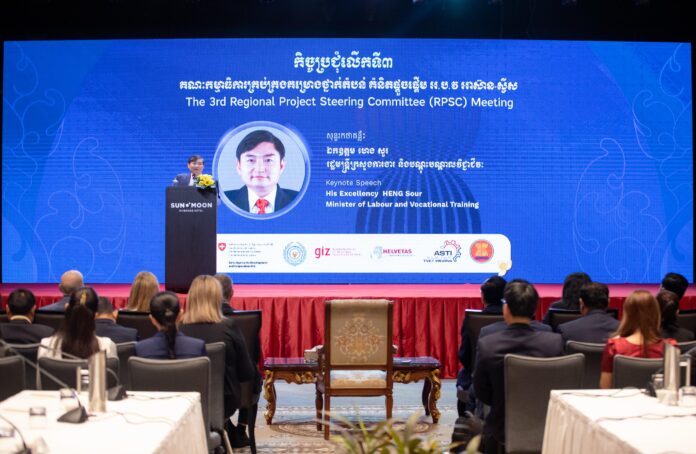
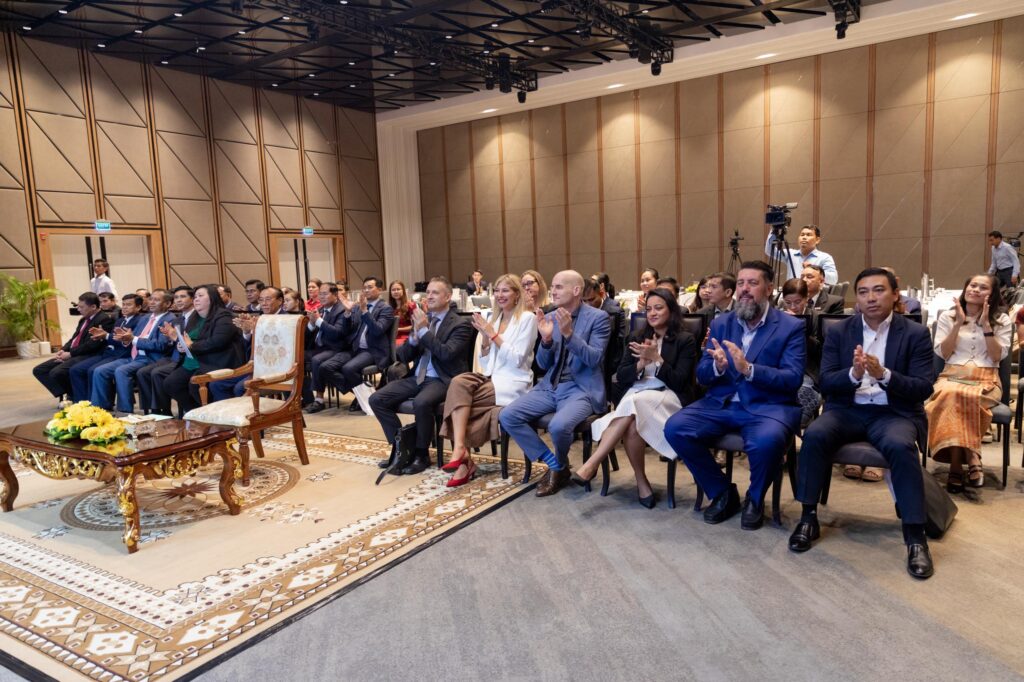
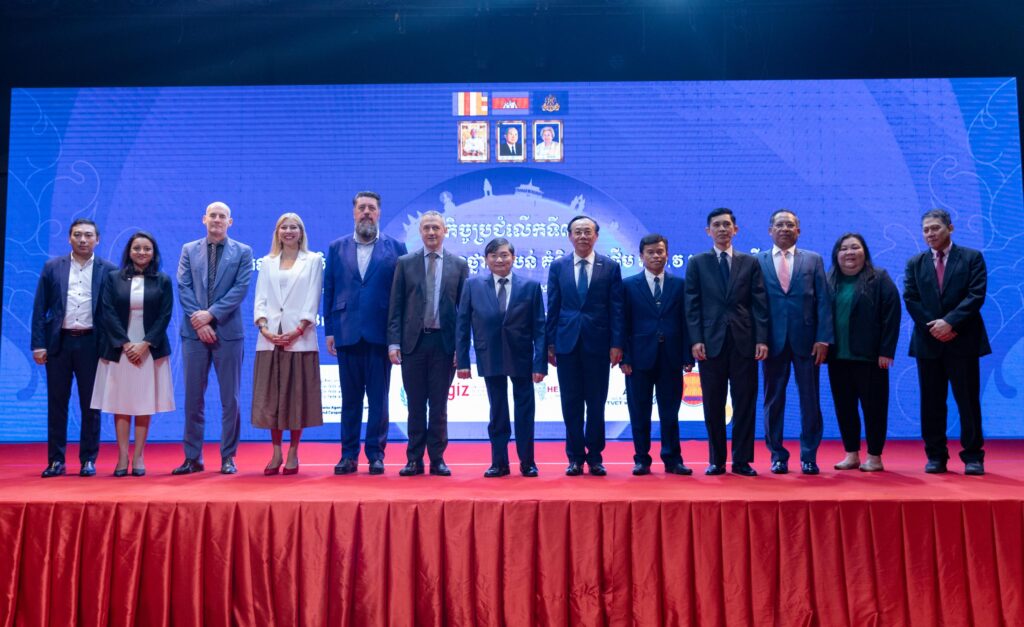
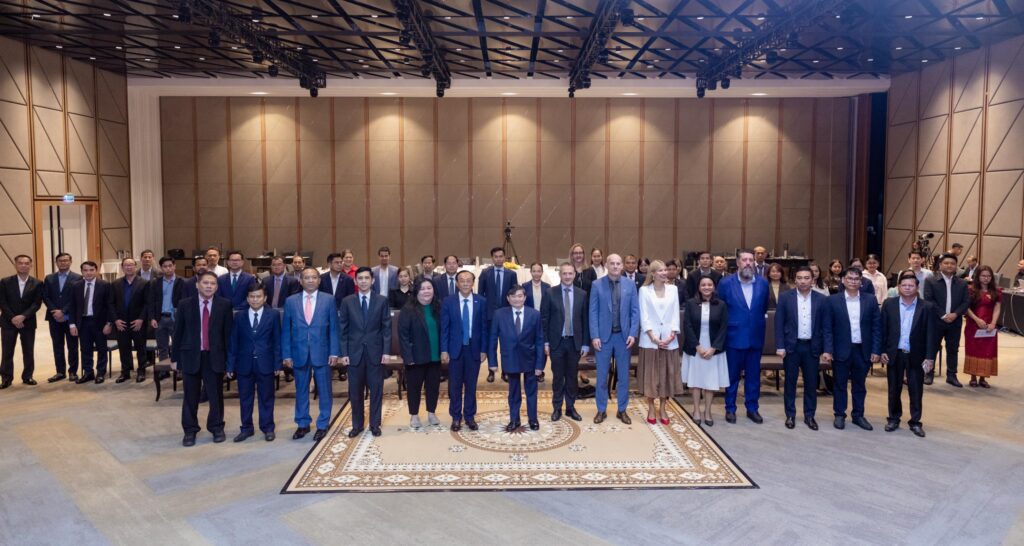
Phnom Penh: On the morning of April 28, 2026, Mr. Heng Sour, Minister of Labor and Vocational Training, chaired the 3rd meeting of the Regional Project Steering Committee (RPSC) of the ASEAN-Swiss Initiative (ASTI). On the occasion, he highlighted Cambodia’s good example of implementing Work-Based Learning (WBL) in developing workforce skills in the context of modern technology, which is an important progress of the ASTI project. The final meeting of the first phase (2022-2026) is also an opportunity to review achievements and set future directions to strengthen the TVET systems of Cambodia, Laos and Myanmar.

The Minister highly appreciated the project achievements achieved by GIZ and its implementing partners and expressed his deep gratitude. To the Swiss Agency for Development and Cooperation in Cambodia (SDC), implementing partners, ASEAN institutions, and all stakeholders who provided support and co-organized this meeting in person at the Sun & Moon Hotel and online. He highlighted that under the long-standing technical partnership of SDC, the ASTI project has become an important foundation for joint efforts to bridge the gap between education and the labor market.

He said that based on these foundations, the Ministry of Labor is advancing the strategic direction by continuing to reform and develop TVET modernization strategies. Nationally. By creating an integrated and data-driven TVET system, Cambodia is ensuring that its management and quality assurance systems will serve as strong protectors in the transition to a digital era and a green economy. Meanwhile, Cambodia is also pushing forward the implementation of the Standard Operating Procedures for the Recognition of Prior Skills (RPL) test, which is a key reform.
The meeting demonstrated the strength of ASEAN integration in harmonizing standards, building a regional workforce, and strengthening the TVET system, which will help increase the resilience and competitiveness of the ASEAN Economic Community. He stressed that free movement of labour within the region is an essential condition for the effective functioning of the ASEAN Economic Community, but requires coordination of skills, certifications and standards among member countries to ensure consistency. At the same time, the ASEAN Qualifications Framework has played a key role in ensuring that workers from different countries have equal skills, productivity and rights to prevent all forms of discrimination. To achieve this vision, there needs to be strong and active collaboration between the government, training institutions and the private sector.
Mr. Heng Sour strongly hopes that the current commitment to cooperation and shared destiny will become a roadmap for the second phase. which has a long-lasting positive impact, emphasizing that “we are building a legacy of skills, a legacy of opportunities and a legacy of solidarity that continues to benefit the people of ASEAN and the global community.”
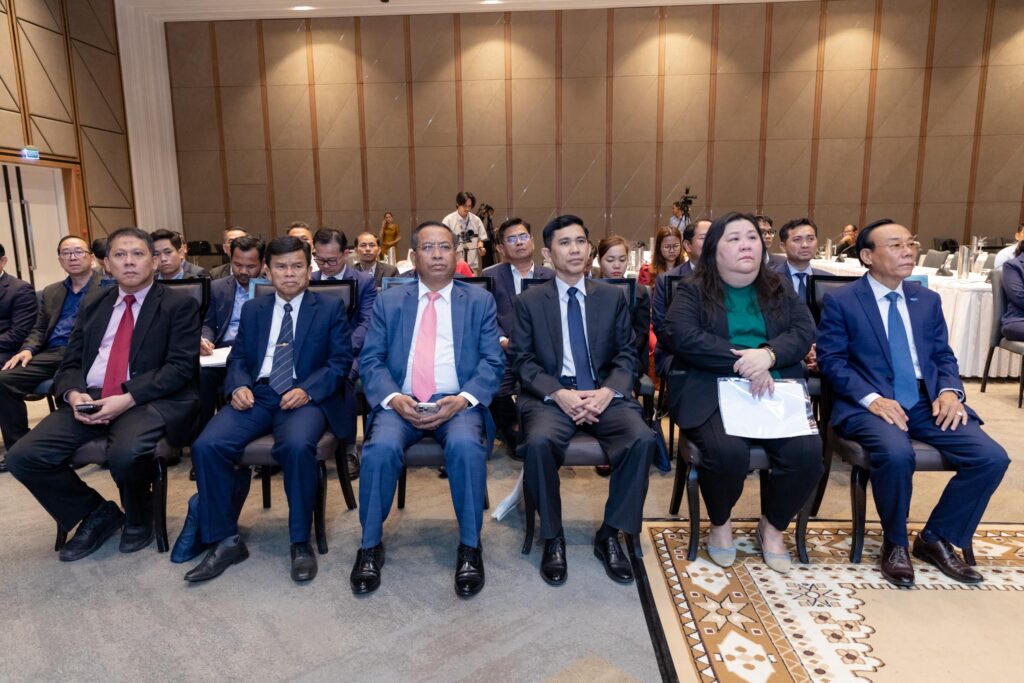
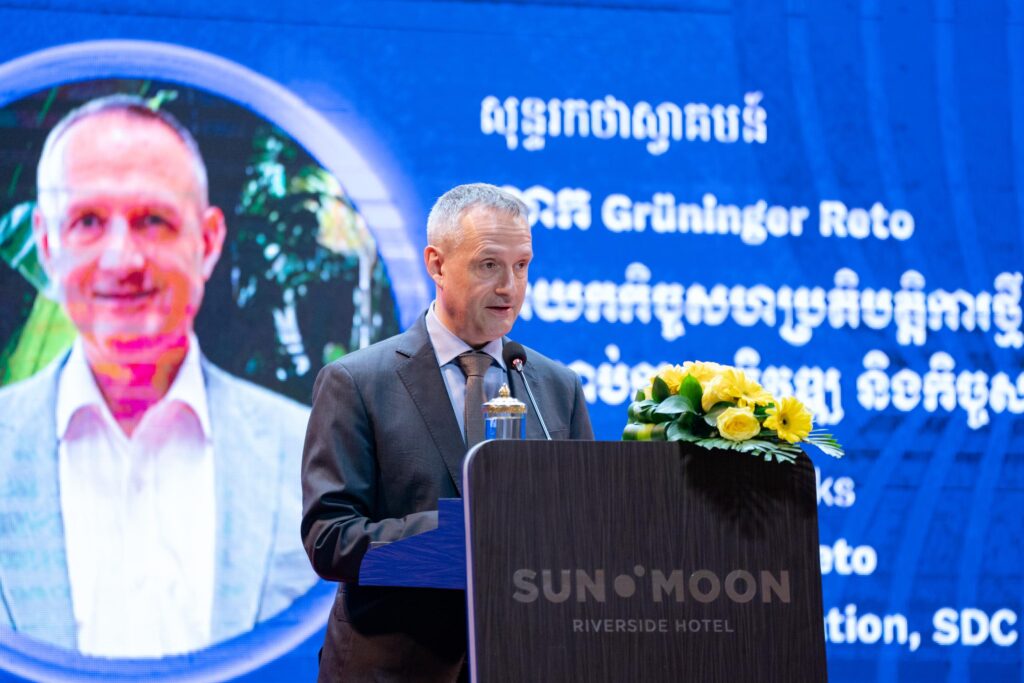
On that occasion, Mr. Reto Grüninger, Director of SDC Highlighting the global importance of Switzerland’s TVET system, which is widely recognized under strong collaboration between governments, educational institutions and employers, he said the project contributes to developing a regional education system that allows workers to obtain recognized certificates and move jobs across industries and countries in ASEAN. Despite significant progress, effective implementation is now a key priority to achieve real results, and Switzerland will continue to support the maintenance and further expansion of regional professional development.
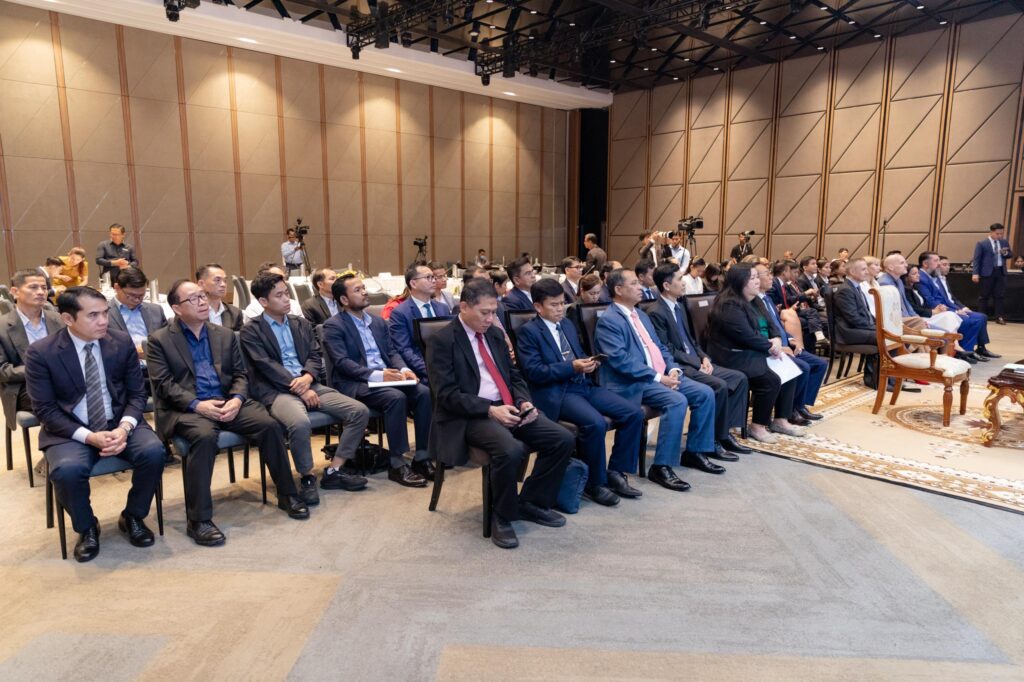
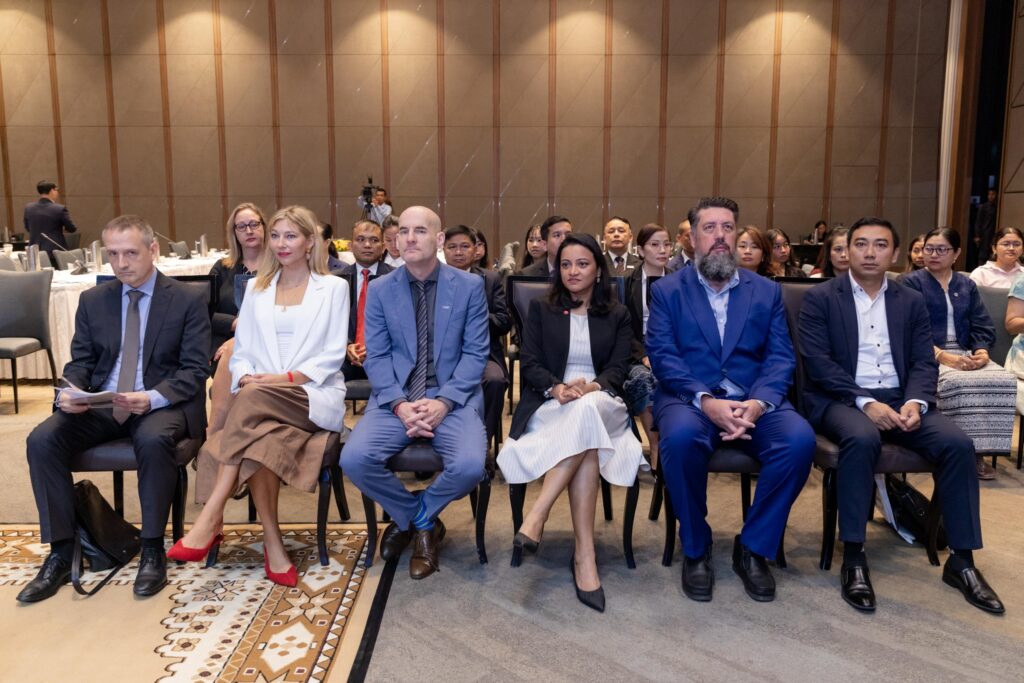
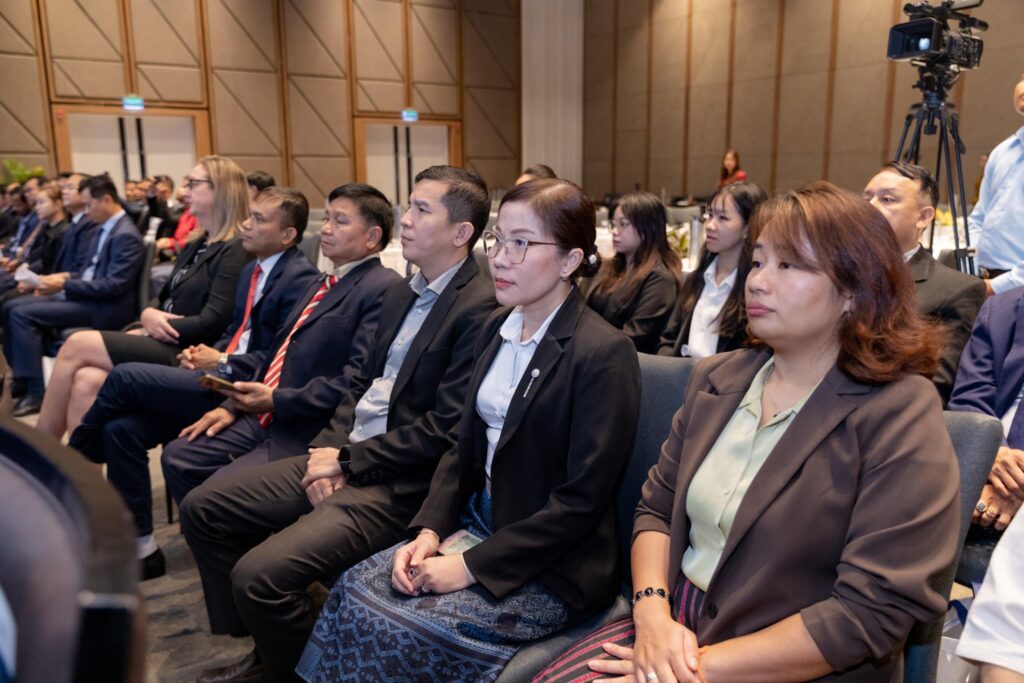
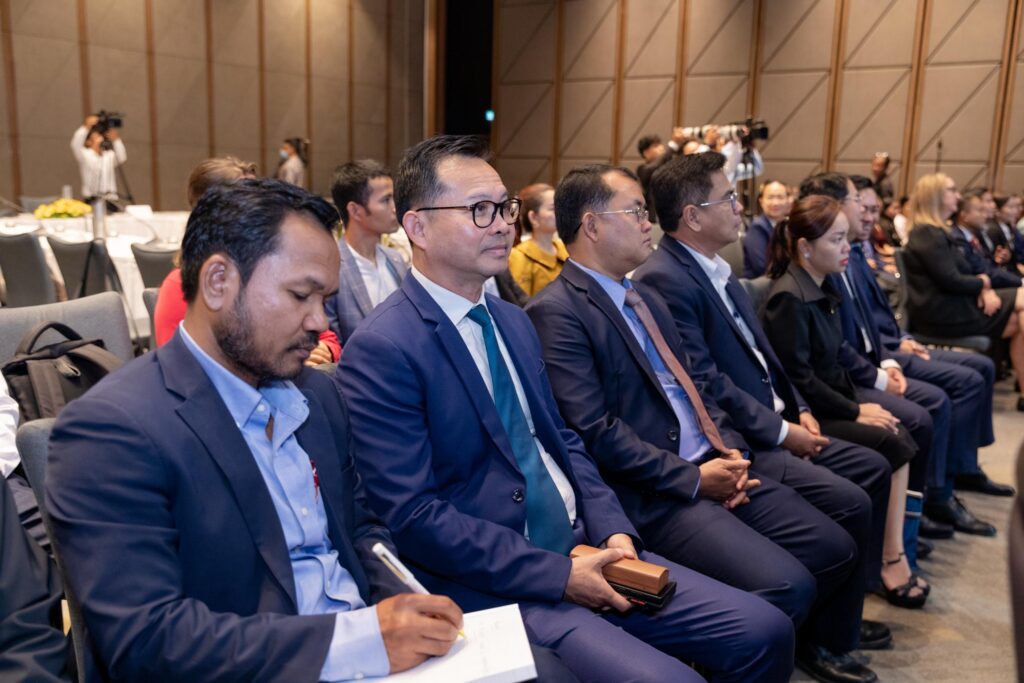
Please note that the two-day meeting (28-29 April) was attended by representatives from the ASEAN Secretariat, ATC, SOM-ED, SDC, TVET authorities in Cambodia and Laos, employer and industry representatives including CAMFEBA, International Chamber of Commerce (IBC) and Lao National Chamber of Commerce and Industry (LNCCI), etc.

This site is translated by Google Translate™